

How Cooking Mama Created a Flash in the Pan for Resellers
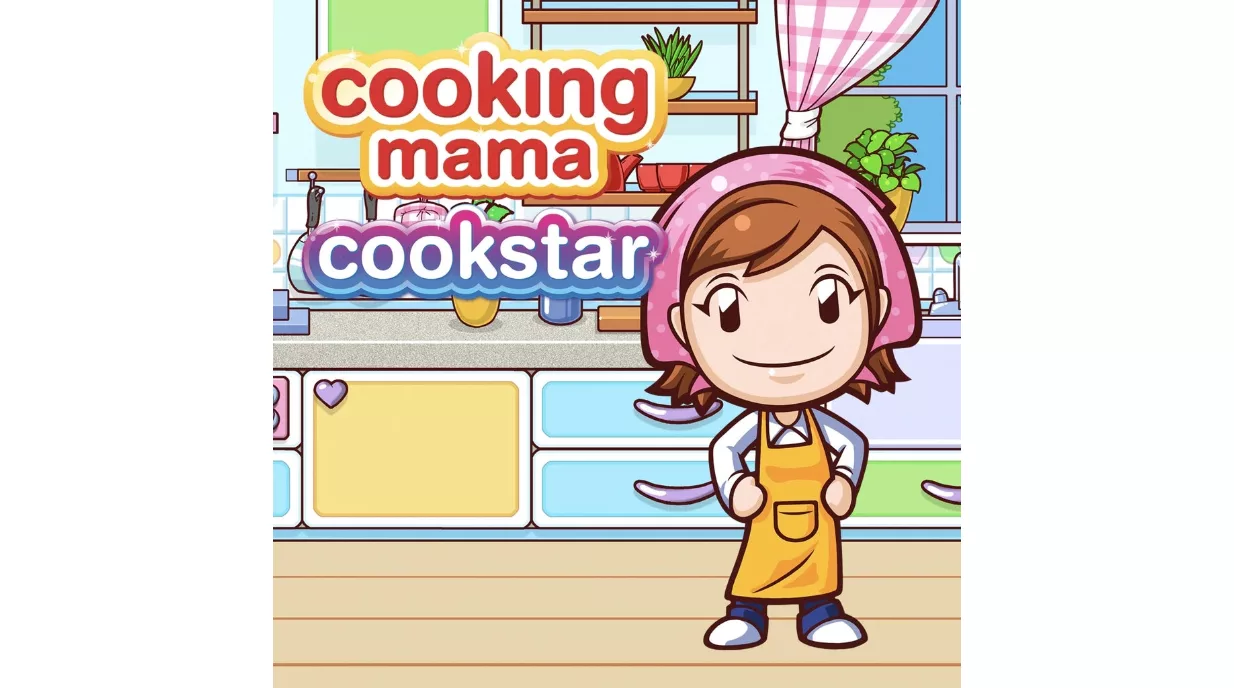
A bizarre mix of rumors and legal drama created a brief opportunity for resellers.
Key Points
- Copies of Cooking Mama: Cookstar were pulled almost immediately after release with no reason given
- As consumers began speculating on why the game had disappeared, the few copies of the game that made it out of stores began reselling
- Retail copies sold for $40, although some bundles could be found for $60 after games were pulled from shelves. For a brief time, copies could resell for $100-$120
Cooking Mama: Cookstar was the sixth entry in the long-running Cooking Mama series of video games. Released in March of 2020, the game was quickly pulled from both online and physical stores. Rumors swirled in the weeks after its launch, with many accusing the game of mining cryptocurrency.
In the end, it was revealed that the game's developer had gone rogue, and released it without approval of the Cooking Mama IP holder, Office Create. During this period of confusion, aftermarket prices for copies of Cookstar rose sharply, and owners could resell games for more than they paid.
What happened with Cooking Mama: Cookstar?
As the first entry in the Cooking Mama series to release on the Nintendo Switch, Cookstar was eagerly anticipated by fans. Initially revealed in 2019, the game gained significant press about its claim to be the first game to implement blockchain technology in its design. While the company claimed this was used for digital rights management only, it added fuel to the later rumors of crypto mining.
Cookstar missed its 2019 release target, but would go on to release on March 31st, 2020. Within a few days, the online listing for it would be pulled from the Nintendo eShop. The game was also slated to launch on the Playstation 4, however no copies were ever sent to retailer, nor was it ever made available digitally.
Physical copies for the Switch were made available for a brief time. These sold for $40, and could be found somewhat unpredictably after the game was pulled. During this time, it was reported that stores would sell their stock to customers with connections to the owners, but not stock them on shelves.
Why was Cooking Mama: Cookstar pulled from shelves?
At first, it was believed Cookstar contained a Bitcoin miner. Speculators pointed to a sudden dip in battery life for the Switch while Cookstar was active, as well as strange network traffic when played online. The game ran poorly, and the opaque declaration that it would feature blockchain technology fed into these rumors.
After a deep dive into the code by hackers, it was discovered that there was no cryptocurrency miner of any kind in the game, and the developers confirmed that their reference to blockchain tech was hypothetical. The game's poor performance was attributed to rushed and incompetent development, not malice.
Claims that music from the game had been ripped from YouTube surfaced shortly afterwards. It seemed possible that the developer was afraid of copyright issues, and had pulled the game. This was neither confirmed nor denied by developer, 1st Playable, who released a simple statement on April 5th blaming the Coronavirus pandemic for issues with development.
Answers would come on the 15th of April, when Cooking Mama IP holder Office Create issued a statement. They claimed that 1st Playable had failed to meet Office Create's quality standards, and terminated their license to use the Cooking Mama IP on March 30th. However, 1st Playable flew in the face of this decision by releasing the game anyways.
Why did Cooking Mama: Cookstar resell?
Even before the official statement from Office Create, Cookstar was already reselling. This was mainly because the game was so hard to find. After being pulled from the eShop, it quickly disappeared from retailers' shelves as well.
Fans who were eager to try the game were willing to get their hands on copy were willing to pay a higher price to reseller for their own copy. Even before the crypto mining rumors were debunked, people were curious about the game, and bought it secondhand to try.
With the announcement from Office Create, the true reasons behind the game's awkward release were revealed. It was found that 1st Playable's actions were shockingly unprofessional, and it became clear that a legal battle was about to unfold over the game.
Now the discussion around the game entered a new stage. The notion of the game never being fully released, and stuck in limbo or years began to circulate. This new possibility added a new angle to people considering buying the game: collectability.
Not only was the game hard to find, but there was a real chance that it would be impossible to find in the future. If 1st Playable and Office Create failed to reach a mutual agreement, Cooking Mama: Cookstar would never see a proper release. It was possible that the unknown number of copies in circulation would be the last ever made.
Understandably, this triggered a new inflation in prices for resellers. Copies were going for around $120 sealed and $100 used. These prices would last all through April, as the prevailing sentiment shifted towards Cookstar's chances at a full release being slim.
How did resellers get their hands on copies of Cookstar?
With the demand around Cookstar, resellers had to get creative on how they purchased new copies. While the initial batches of physical copies sold were already in circulation, retailers pulled remaining stock from shelves. Large retailers like Walmart and Target tended to respect the pull notice, however small shops were a bit more lenient.
Resellers reported success by calling local game shops directly, and asking to purchase copies for retail directly. This occasionally worked at big box stores as well, but they were far more likely to refuse.
In addition, bundles of the game went up for sale in April, and these were apparently not subject to the same pull notice as regular copies. Kohl's would list copies of the game with deluxe travel case for the Switch for $60. While slightly more expensive than the base game, it was still an opportunity to profit.
While the game would resell through April and May, copies eventually dried up entirely through May. Some resellers chose to hold their copies, predicting that Cookstar would never release again, and thus make their copies extremely valuable in the future.
By March of 2021, 1st Playable had successfully released the game a second time, this time on PS4 as well. Interestingly, the situation between 1st Playable and Office Create appears not to have been resolved yet. While this may indicate Office Create's case may not be solid, it's also entirely likely that a full on legal battle is just around the corner, and 1st Playable is more or less letting it ride.
Despite the uncertain future of Cookstar, investing in copies to resell in the future may not be a great idea. While the initial release was highly profitable for resellers, the significant number of copies in circulation means that the prices for these will likely not rise any time soon.
Even if Cookstar is pulled from shelves, enough people are aware of its unique status, that it will be hard to resell copies for any real profit. There's simply too much supply, and too many people looking to profit.
Were you there for the Cookstar controversy? While unexpected, hiccups like this can happen in any industry, not just video games. When they disrupt production, it creates an opportunity for resellers to profit. For more examples of times like this, check out our other articles.
More articles on this topic
-
Black Kyber Crystals: How to Make Money at Disneyland
A single piece of merch resells, but there's no way of knowing what you get before buying.
-

Barbie's 2019 Dia de Muertos Doll Keeps Going Up
Barbie's 2019 doll kicked off a new tradition, and continues to resell for more than new ones.
-
2000 Hermes Birkin Kelly Doll Bag is Reselling for $100,000+ Today: Here's Why
Ignored for decades, Kelly Dolls have come back in a big way, and the prices may be hard to believe.
-
These Funko Pops Easily Resell for One Simple Reason
A Funko Shop exclusive release complicated plans for Chase Edition hunters.
-
A YouTuber's Collab with Hasbro Made Big Money for Charity – and Resellers
The first officially licensed Monopoly collaboration with a YouTuber has become valuable on the aftermarket.
-

Buying and Selling a Chanel Water Bottle for $200
Haute meets hydration, and these limited edition bottles resell for incredible prices
-
A Limited Edition Cardigan That Resells for $150
Plus size fashion doesn't usually resell, but this was an exception.
-

Can You Profit From Reselling a Car?
The Hummer EV proves that power will always be in style.
-

What is a Cook Group?
And why it might be time to join one.
-
3 Years Later Virgil x IKEA's “KEEP OFF” Rug is Worth Almost $3000
Or, the story of how resellers literally rugged themselves.
-

The Fall and Rise of DOOM Eternal's Collector's Edition
Short-sighted resellers dumped stock before it popped off, making it rare and very valuable.
-

Wolverine X Halo Boots Resell for Triple the Retail Price
Ultra-rare and ultra-cool, these boots are reselling for out-of-this-world prices.
-
These Money Counters Tripled in Value
These money counters briefly trended for their over-the-top presentation, and continue to resell.
-

"The Nugget" A Kid's Couch Resells for an Adult Reason
Moms love it. Also, moms really love it.
-

The 2021 Chlorine Shortage, and What Happens Next
A factory fire, surges in demand, and good ol' fashioned supply chain hiccups.
-
(People Will Pay For Anything) Why the Ritz x Oreo Mashup is Reselling for $100
When brands work together, we all win.
-

No One Noticed this Price Error Until it was Too Late
The price for a Nautilus E616 inexplicably dipped below $400, and many took advantage.
-
This Couple Made $30,000 Selling Trader Joe's Products on Amazon
There's money to be made in bagel seasoning, and lots of it.
-
Why a $10 Jar From TJ Maxx Resells for $100
Collectors bought up these ceramic jars as fast as they were stocked.
-
A Single Christmas Decoration that Resells for $150+
A blow mold of Mickey Mouse was a surprise hit for the 2021 Holidays.